
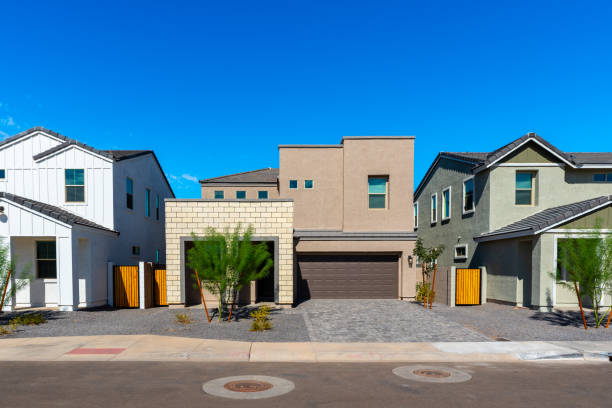
Buying or selling real estate is rarely simple. In fact, it can feel like stepping into an arena where timing, strategy, and a bit of courage all matter.
That said, Arizona can surprise people.
For many buyers relocating from other states, Phoenix often feels like an oasis. The city continues to grow, job opportunities remain strong, and housing supply has slowly begun catching up with demand. For buyers and sellers alike, that creates opportunity.
Of course, every real estate experience is different. One family might find their dream home in the first weekend of showings. Another might tour ten homes before discovering the one that feels right.
The key is knowing what you want and understanding how the market works.
Modern listing platforms make the process easier than ever. Homes for sale in Phoenix AZ can be filtered by price, size, neighborhood, and amenities, helping buyers narrow their search quickly. Still, technology only goes so far. Local insight is what truly helps buyers make confident decisions.
What Is the Average Price of Homes for Sale in Phoenix AZ in 2026?
As of early 2026, the Phoenix housing market shows signs of stabilizing after several years of intense growth.
Typical home value: about $407,665
Median sale price: about $461,300
Average days on market: 34 to 62 days
Active listings across the Phoenix metro area: over 22,000
Inventory has increased compared to recent years, creating more choices for buyers and slightly stronger negotiating power.
Phoenix AZ Real Estate Market Trends in 2026
While mortgage rates remain higher than the ultra-low levels buyers enjoyed a few years ago, the Phoenix real estate market is entering a healthier phase.
Prices have cooled slightly, inventory has increased, and buyers finally have time to think before making offers.
The typical home value sits around $407,665, down roughly 3 percent year over year. Median sale prices hover near $461,300. Homes are taking between 34 and 62 days to sell on average, which is significantly slower than the rapid bidding wars of 2021 and 2022.
In other words, the market is beginning to feel normal again.
Demand remains strong because Phoenix continues attracting new residents from California, the Midwest, and other high-cost states. Many of those buyers are drawn by the warm climate, job opportunities, and relatively affordable housing compared to coastal cities.
At the same time, some homes are sitting on the market longer than before. That gives buyers more time to compare options and negotiate favorable terms.
Phoenix Housing Market Snapshot: March 2026 Stats
Phoenix’s housing landscape has shifted noticeably since 2025.
Inventory has grown, prices have softened slightly, and buyers now have more leverage.
Typical home value: $407,665
Median sale price: $461,300
Average selling time: 34 to 62 days
Active listings: more than 22,000 across the Valley
Competitiveness: homes often sell about 2 percent below list price with one offer on average
This shift reflects a market normalization. The frenzy of bidding wars has cooled, but demand remains steady thanks to population growth and expanding industries in tech, manufacturing, and healthcare.
Why 2026 Is a Buyer’s Market in Phoenix and How to Win
For buyers, 2026 presents something the Phoenix market has not offered in years.
Breathing room.
Higher inventory and more stable mortgage rates have changed the negotiating landscape. Sellers are once again offering incentives such as closing cost assistance, repair credits, or mortgage rate buydowns.
Many relocating families mention the same relief when they start house hunting here.
You can actually tour several homes in a weekend, compare neighborhoods, and make a thoughtful offer instead of rushing into bidding wars.
Smart buyers are using a few strategies right now:
- Ask for seller concessions between 2 and 3 percent when possible
- Focus on homes listed longer than 30 days
- Get fully pre-approved before touring homes
- Explore builder incentives in new construction communities
This market rewards preparation and patience.
The Affordability Factor: Where To Look
Phoenix offers an unusually wide range of housing options. Whether you are relocating, retiring, or buying your first property, the metro area has neighborhoods for nearly every budget.
Here are some common price segments buyers explore.
Entry-Level and Affordable Options
Several Phoenix neighborhoods remain accessible to buyers entering the market.
Maryvale, Laveen, and Deer Valley often feature entry-level homes with attractive pricing compared to central neighborhoods.
Nearby Glendale includes condo communities starting around $150,000. These units often offer one or two bedrooms and convenient amenities like pools or shared outdoor spaces.
Sun City also offers attractive options for retirees or downsizers. Many homes under $350,000 feature two bedrooms, two bathrooms, and comfortable lot sizes.
The Mid-Market Sweet Spot
Families looking for more space often explore homes priced between $400,000 and $700,000.
These homes frequently appear in suburbs such as Peoria, Mesa, and Surprise. Buyers can expect larger floor plans, family-friendly neighborhoods, and convenient access to schools and parks.
For many growing households, this price range delivers the best balance of value and space.
High-End Residences
Luxury properties remain a major part of the Phoenix housing market.
Homes priced above $1.2 million often include large estates, custom landscaping, pools, gated access, and expansive square footage. Areas like Scottsdale and parts of North Phoenix feature many of these high-end listings.
While luxury properties attract attention, they represent only one part of the broader Phoenix real estate story.
Emerging Hot Spots for 2026 Growth
Some areas are attracting attention from investors and relocating families because of job growth and infrastructure development.
North Phoenix, Anthem, and North Peoria
The semiconductor industry expansion led by TSMC is creating thousands of high-paying jobs. Communities near Loop 303 are experiencing strong demand from professionals working in technology and manufacturing.
Litchfield Park and Buckeye
New construction developments are booming here. Builders are offering incentives like rate buydowns, landscaping packages, and appliance upgrades to attract buyers.
The area also benefits from rental demand due to Luke Air Force Base.
East Mesa and Queen Creek
These communities offer access to strong school districts without the full price tag of nearby Gilbert. Growth around Phoenix-Mesa Gateway Airport and aerospace industries is bringing steady population increases.
Select Areas of Scottsdale
Premium properties have adjusted from the peak pricing of 2021. For higher-income buyers and investors, this reset has reopened opportunities in certain Scottsdale neighborhoods.
Mortgage Rates and Affordability Strategies for Phoenix Buyers
Mortgage rates currently sit around 6.0 to 6.5 percent depending on credit profile and lender.
While higher than the historic lows of previous years, the stability of current rates makes planning easier.
Buyers looking to maximize affordability should consider:
- Comparing at least three lenders before committing
- Exploring builder rate buydowns in new communities
- Using FHA or VA loan programs when eligible
- Evaluating suburban areas with lower property taxes
Even small interest rate differences can save thousands over the life of a loan.
Choosing the Right Neighborhood
Buying a home is not just about the property. The surrounding neighborhood plays an equally important role.
Many buyers begin by narrowing their search based on commute times, schools, nearby amenities, and long-term investment potential.
New construction communities in Phoenix and Anthem appeal to buyers seeking modern homes and family-friendly environments.
Meanwhile, West Valley communities continue expanding rapidly, offering homes at a variety of price points.
On the eastern side of the Valley, Mesa and Queen Creek attract buyers looking for suburban space and long-term appreciation potential.
Essential Tools for Home Buyers and Sellers
Working with a knowledgeable real estate professional gives buyers access to tools that simplify the process.
Valuation Services
Accurate market data helps buyers avoid overpaying while ensuring sellers price their homes competitively.
New Listing Alerts
Automated alerts notify buyers when homes matching their criteria hit the market, allowing them to act quickly.
Relocation Assistance
For buyers moving to Arizona from other states, relocation services help coordinate moving logistics and local connections.
Market Reports
Regular updates on best real estate agent in Phoenix help buyers and sellers make informed decisions.
Investment Outlook: Where Opportunity Meets Appreciation
Phoenix remains one of the fastest-growing major metro areas in the United States.
Arizona’s favorable tax climate, population growth exceeding five million residents, and expanding industries such as semiconductors and healthcare continue attracting investors.
Rental demand remains strong near employment centers and military installations. Mid-range homes between $400,000 and $700,000 often deliver solid rental potential combined with long-term appreciation.
Many experienced investors today focus on long-term holds rather than short-term flips. With many homeowners locked into low mortgage rates, inventory growth is gradual rather than overwhelming.
That steady supply supports sustainable price growth over time.
Find the Perfect Home in Phoenix
Real-time listing platforms and professional real estate insights make searching for homes for sale in Phoenix AZ far less stressful than it once was.
Buyers today can compare neighborhoods, analyze market data, and receive alerts for new listings within minutes.
Still, the most valuable advantage often comes from local experience.
A knowledgeable realtor understands which homes represent real value and which listings might hide costly surprises.
If you are planning to buy or sell in Phoenix, connecting with a trusted local agent is one of the smartest first steps you can take.
FAQ
Many experts believe 2026 offers a strong window for buyers. Inventory has increased, prices have softened slightly, and sellers are more open to negotiations than during previous peak years.
The typical home value sits around $407,000, while the median sale price is roughly $461,000 depending on neighborhood and property type.
Sun City remains a popular retirement destination thanks to affordable homes and active adult communities. Areas like Gold Canyon and Pebble Creek also attract retirees seeking quieter neighborhoods and recreational amenities.
Many investors believe so. Strong population growth, expanding industries, and continued housing demand contribute to long-term appreciation potential across the Phoenix metro area.