
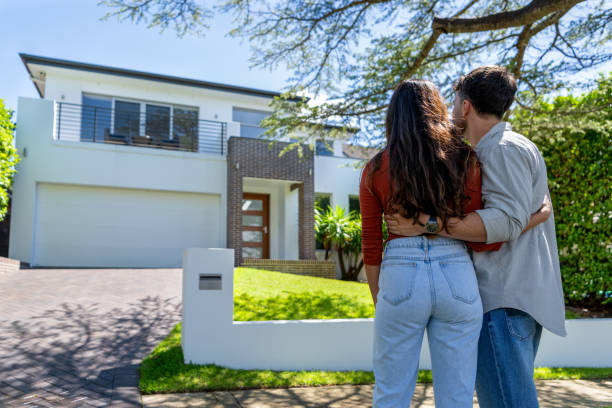
Buying a luxury home in Phoenix is a very different experience from shopping for a traditional single-family home.
At this level, you are not just comparing bedroom counts, square footage, kitchen finishes, or whether the backyard has a pool. You are evaluating privacy, land value, architectural quality, long-term maintenance, micro-market positioning, resale strength, and lifestyle costs.
Luxury homes for sale in Phoenix, AZ can be stunning. Desert views. Resort-style pools. Mountain backdrops. Private gates. Chef’s kitchens. Outdoor living spaces that look like they belong in a magazine.
But here is the honest truth: beauty can distract from risk.
A luxury property may photograph beautifully and still hide outdated systems, high carrying costs, restrictive CC&Rs, or design choices that could limit resale later. As Warren Buffett once said, “Risk comes from not knowing what you’re doing.” That could not be more true in high-end Arizona real estate.
Working with a luxury real estate agent in Phoenix AZ helps buyers move with confidence, privacy, and clarity.
Featured Snippet: What Mistakes Should Buyers Avoid When Buying Luxury Homes in Phoenix?
The biggest mistakes buyers make when searching luxury homes in Phoenix include treating luxury real estate like a standard home search, misjudging micro-markets, underestimating maintenance costs, skipping specialized inspections, overlooking HOA rules, and buying without a luxury-focused agent. Phoenix luxury buyers should review comps, CC&Rs, utilities, insurance, construction quality, and long-term resale potential before making an offer.
Luxury Market Snapshot for Phoenix in 2026
The Phoenix luxury segment remains strong in 2026, especially in areas like Scottsdale, Paradise Valley, North Scottsdale, and select high-end communities across the Valley.
Still, the market is more balanced than it was during the peak frenzy years. Buyers have more room to evaluate properties, negotiate repairs, and compare custom estates instead of rushing into decisions.
In many luxury pockets, prices exceed $1 million and can climb well above $5 million depending on location, lot size, views, finishes, and privacy.
This creates opportunity, but only for buyers who understand what they are purchasing. A luxury home is not just a residence. It is a lifestyle asset and a long-term investment.
Why Luxury Real Estate Is Different
The appeal of affordable homes for sale in Phoenix AZ goes far beyond scenic views and beautiful finishes.
High-end properties often offer:
- Larger lots
- Better privacy
- Stronger security
- Custom architecture
- Resort-style outdoor spaces
- Premium locations
- Long-term appreciation potential
- Portfolio diversification for high-net-worth buyers
But those benefits come with complexity.
Luxury transactions often involve more detailed due diligence, private showings, off-market opportunities, specialized inspections, legal review, and deeper financial analysis.
This is not the market where you want to wing it.
5 Common Mistakes to Avoid When Buying Luxury Housing
1. Not Distinguishing Between Luxury and Typical Housing
Luxury real estate does not move the same way as standard residential housing.
Mass-market transactions can sometimes move quickly with straightforward financing, standard inspections, and basic negotiations. Luxury acquisitions often involve more complex accounting, custom contracts, trust structures, privacy concerns, and technical due diligence.
Many desirable high-end properties never appear publicly on major consumer-facing listing platforms. Sellers may prefer pocket listings or private networks to protect security, reduce foot traffic, and maintain discretion.
Treating a luxury purchase like a normal home search can lead to missed opportunities, weak negotiation leverage, and a longer, more frustrating process.
A dedicated Phoenix luxury real estate agent helps buyers access exclusive inventory and manage the transaction with care.
2. Misjudging Micro-Markets
The luxury market in Phoenix is highly fragmented.
Two homes only a few miles apart can have dramatically different values based on views, zoning, lot usability, architectural quality, privacy, school boundaries, golf access, and neighborhood reputation.
Paradise Valley, for example, is known for ultra-private estates, mountain views, and large lots. Median pricing in many luxury areas often reaches several million dollars.
North Scottsdale communities such as Silverleaf and DC Ranch offer resort-style amenities, gated privacy, golf, and a polished master-planned feel.
Those are not interchangeable markets.
Assuming all desert luxury neighborhoods behave the same way can lead to overpaying or buying a home that does not match your lifestyle. A great agent will compare specific enclaves, not just broad zip codes.
3. Underestimating the Carrying Costs of Lifestyle Features
This may be the most common surprise for luxury buyers relocating to Arizona.
A resort-style backyard looks dreamy, until you start adding up the monthly costs.
Luxury features often require ongoing care from specialized vendors.
Common carrying costs include:
- HOA or gated community fees, often $500 to $2,000+ per month
- Pool service and repairs
- Misting system maintenance
- Desert landscaping and irrigation
- Pest control
- Smart home system support
- Roof coating and exterior maintenance
- High summer utility bills
- Insurance premiums for luxury features
- Property taxes based on assessed value
A good rule of thumb for luxury homes is to budget roughly 1% to 2% of the home value annually for maintenance, depending on age, size, systems, and amenities.
That means a $2 million property may require $20,000 to $40,000 per year in maintenance planning.
It is not meant to scare buyers. It is meant to keep the dream realistic.
4. Ignoring the Practicalities of Custom Builds and Upgrades
Many luxury properties in Phoenix have been custom-built over different decades.
Some look flawless on the surface but may contain outdated systems behind the walls. Older custom homes may have inefficient windows, aging HVAC systems, dated wiring, older roofing, or insulation that does not perform well in extreme heat.
In desert modern homes, buyers should prioritize:
- High-reflectivity roof coatings
- Energy-efficient windows
- Strong insulation
- Proper drainage
- Water-conscious landscaping
- Sustainable water features
- HVAC capacity and age
- Smart system reliability
- Foundation stability in desert soil
A home can be stunning and still expensive to operate.
Specialized inspections are essential, especially for custom luxury properties.
5. Going It Alone or Skipping Expert Due Diligence
High-net-worth buyers are often confident decision-makers. That confidence is valuable, but real estate is a specialized field.
Going it alone can mean missing off-market homes, overpaying for prestige features, underestimating operating costs, or failing to uncover construction issues.
A luxury-focused team may include:
- A specialized real estate agent
- Luxury lender or private banker
- Real estate attorney
- Inspector familiar with high-end desert homes
- Pool and HVAC specialists
- Insurance advisor
- Tax professional
- Title and escrow experts
The right team helps protect your privacy, negotiate intelligently, and uncover issues before they become expensive.
What Luxury Buyers in Phoenix Wish They Knew
Every luxury buyer has a different story, but the lessons tend to repeat.
One executive relocating to Paradise Valley fell in love with the views and privacy of a gated estate. The home itself was beautiful. But during due diligence, the HOA reserve review revealed upcoming special assessments that would have added unexpected costs after closing.
Another buyer in North Scottsdale saved significantly by reviewing utility history before submitting their final offer. The monthly summer expenses were much higher than expected, so the buyer negotiated seller credits for energy-efficiency upgrades.
That is why real due diligence matters.
Luxury is not just what you see. It is what you inherit.
Smart Steps for Luxury Home Buyers in Phoenix 2026
Before buying a luxury home in Phoenix or Scottsdale, take these steps:
- Work with a specialized luxury agent early
- Ask about off-market and private listing access
- Review total monthly ownership costs
- Budget 1% to 2% annually for maintenance
- Compare specific micro-markets, not just cities
- Conduct desert-specific inspections
- Review HOA documents, reserves, and CC&Rs
- Ask for utility history during summer months
- Evaluate insurance costs before closing
- Review resale potential with local comps
- Negotiate concessions when inspection findings support them
A smart luxury purchase balances emotion with analysis.
That is how you protect both your lifestyle and your investment.
Understand What You’re Signing Up For
Closing a luxury real estate transaction requires discipline.
A high-end home is not simply a beautiful place to live. It is a long-term investment that should be evaluated with the same seriousness as any major financial asset.
The biggest mistake luxury buyers can make is treating the process casually.
Without the right support, buyers can overlook restrictive covenants, underfunded HOA reserves, inefficient building systems, hidden maintenance costs, or poor resale positioning.
At Lockwood Real Estate Group, we believe clients deserve honest, dependable, and transparent guidance. That means helping you see the full picture, not just the pretty one.
If you are considering luxury homes for sale in Phoenix, Scottsdale, or Paradise Valley, connect with our team to discuss your criteria, goals, and timeline.
FAQs
Large estates can have significant summer utility bills due to heavy HVAC use, pool filtration, outdoor lighting, and smart systems. Energy-efficient windows, insulation, solar, and multi-zone climate controls can help, but buyers should request utility history before closing.
Not always. Larger lots can increase privacy and appeal, but resale value depends on usability, views, location, zoning, access, landscaping, and micro-market demand. A difficult or poorly positioned lot may not command the same premium.
Yes. Homes built around short-lived design trends or non-regional materials can date quickly. Desert modern homes with timeless finishes, energy efficiency, shaded outdoor space, and materials suited to Arizona’s climate tend to hold value better.
View protections vary by municipality and community. Some areas restrict building height, rooflines, and placement to protect existing view corridors. Other areas allow more flexibility. Buyers should review local rules and HOA documents before purchasing.
A more balanced 2026 luxury market gives buyers more room to negotiate, especially on homes with longer days on market. Buyers may be able to request price adjustments, seller concessions, repair credits, or inspection-based terms.
Focus on foundation and soil stability, HVAC systems, pool equipment, roof condition, smart home integrations, drainage, water features, and window efficiency. Luxury homes require inspectors who understand both high-end construction and desert-specific risks.