
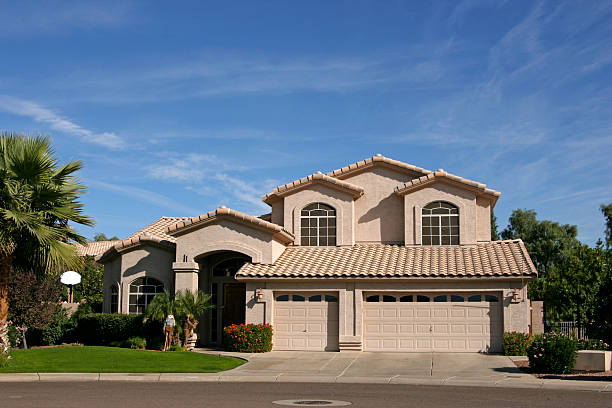
Phoenix has an active and remarkably diverse real estate market. Buyers can choose from historic homes near Central Phoenix, newer communities in the West Valley, family-friendly neighborhoods in North Phoenix, and luxury properties closer to Scottsdale.
Yet two similar homes in the same neighborhood can have completely different outcomes. One attracts several showings during its first weekend and goes under contract quickly. The other sits for weeks, reduces its price, and leaves buyers wondering what must be wrong with it.
That difference usually isn’t luck.
sell your house in Phoenix tend to move faster when they are priced for the current market, presented with care, marketed professionally, and made easy to tour. Sellers who rely on emotion, outdated pricing, or a few quick phone photos often lose the attention that matters most during the first days of the listing.
Featured Snippet: Why Do Some Phoenix Homes Sell Faster Than Others?
Some Phoenix homes sell faster because they launch at an accurate price, look move-in ready, have professional listing photos, and are easy for buyers to tour. Homes often sit longer when they are overpriced, poorly presented, difficult to show, or competing against newer properties with better features and incentives.
Phoenix Real Estate Market Snapshot: July 2026
The Phoenix housing market has become more balanced and selective than it was during the rapid bidding-war years. Buyers have more homes to compare, and many are taking longer to make decisions.
Across the broader market, elevated mortgage rates and ongoing concerns continue to slow the demand for homes for sale in Phoenix, while buyers benefit from greater choice and stronger negotiating power than they had during the pandemic-era frenzy. National inventory also remained above the previous year in June 2026, although the market still had less supply than it would need to be considered fully balanced. (Reuters)
In the Phoenix metro area, selling timelines vary widely by neighborhood, condition, price range, and property type. Well-priced, move-in-ready homes in popular areas can still attract offers within several weeks. Listings that launch too high or need visible work may remain available much longer.
Summer also creates a familiar seasonal slowdown. Extreme heat, vacations, and school schedules can reduce casual showing traffic. Serious buyers are still shopping, though, and fewer competing listings can help a well-prepared home stand out.
The takeaway is simple: the market isn’t dead. It is less forgiving.
Proper Pricing Is a Must
Many homeowners naturally see their property through the lens of personal experience.
They remember what they paid, how much the kitchen remodel cost, and every weekend spent improving the yard. Those investments matter, but buyers do not calculate value based on a seller’s memories or expenses.
They compare your home with everything else available right now.
An overpriced property can lose its most valuable marketing window before the seller realizes what happened. Buyers and their agents watch new listings closely. When a home launches noticeably above comparable properties, many simply skip it.
What an Accurate Launch Price Can Create
A well-supported listing price can lead to:
- More online views and inquiries
- Strong showing activity
- Greater confidence among buyer agents
- Better opportunities for competitive offers
- A cleaner appraisal process
- Less time spent making repeated price reductions
What an Inflated Launch Price Often Creates
An unrealistic price may result in:
- Fewer showings
- Extended days on market
- Growing buyer skepticism
- Repeated reductions
- Lower negotiating leverage
- An eventual sale below what may have been possible with a better launch
A seller once told us, “We can always lower it later.” Technically, that is true. The problem is that you cannot recreate the excitement of a brand-new listing.
Once buyers have seen the property sitting online for several weeks, they begin asking different questions. Is something wrong with the house? Did an earlier buyer walk away? Is the seller difficult to negotiate with?
Accurate pricing does not mean giving your home away. It means positioning it where serious buyers will recognize the value.
How a Phoenix Realtor Determines the Right Price
A strong comparative market analysis should consider more than a few nearby sales.
Your Phoenix real estate agent should evaluate:
- Recently sold comparable homes
- Active listings competing for the same buyers
- Pending properties, when useful information is available
- Days on market
- Price reductions
- Lot size and location
- Condition and recent improvements
- Pool, solar, garage, and outdoor features
- School boundaries and nearby amenities
- New construction competition
- Current buyer demand in your price range
Phoenix is made up of many smaller markets. Conditions in North Phoenix may differ from Glendale, Peoria, Scottsdale, or the East Valley. Even two subdivisions separated by a major road can produce different buyer behavior.
Local context is what turns raw data into an intelligent pricing strategy.
Condition, Curb Appeal, and First Impressions
Phoenix homes endure intense sunshine, prolonged heat, low humidity, dust, and sudden monsoon storms. Exterior wear can happen gradually, making it easy for homeowners to stop noticing it.
Buyers notice.
Dead plants, faded exterior paint, cracked stucco, stained concrete, weeds, and neglected gravel can make a home feel poorly maintained before anyone reaches the front door.
That first impression tends to follow them through the rest of the showing.
Small Exterior Improvements That Can Help
You do not need to redesign the entire property. Focus on visible details that communicate care:
- Refresh faded desert rock
- Remove weeds and dead plants
- Trim trees and shrubs
- Repair obvious stucco cracks
- Touch up exterior paint
- Clean windows and entry doors
- Pressure-wash walkways where appropriate
- Replace worn exterior light fixtures
- Make sure the front door and house numbers look clean
Simple improvements can change the emotional tone of a showing. A clean, welcoming entry quietly tells buyers, “This home has been cared for.”
Arizona Climate and 2026 Buyer Priorities Shape What Sells Fast
Phoenix buyers are becoming increasingly practical.
They still appreciate attractive kitchens, open layouts, and beautiful backyards. But they also want to know how much the house will cost to operate in July and whether they are about to inherit an expensive repair.
HVAC Condition
A reliable air-conditioning system is one of the most important selling points in Arizona.
Have the system serviced before listing, keep maintenance records available, and be prepared to disclose its age. An older unit is not automatically a deal breaker, but uncertainty makes buyers nervous.
Energy Efficiency
Buyers often pay attention to:
- Window quality
- Insulation
- Shade screens
- Solar ownership or lease terms
- Smart thermostats
- Energy-efficient appliances
- Multi-zone cooling systems
Energy-saving features are more persuasive when sellers can document them clearly.
Pools and Outdoor Spaces
A clean, well-maintained pool may be a major advantage. A green pool, cracked decking, or aging equipment can quickly become a liability.
Outdoor kitchens, covered patios, shade structures, and usable backyard spaces also appeal to Phoenix buyers, but they should look maintained rather than like a list of future projects.
Desert Landscaping
Low-maintenance xeriscaping fits the Arizona lifestyle and may signal lower water use. Native plants, clean rock, and a working irrigation system usually photograph well and require less upkeep than thirsty grass.
Interior Presentation and Staging
A home can have plenty of square footage and still feel small.
Clutter, oversized furniture, dark paint, poor lighting, and crowded countertops all affect how buyers perceive the space. These issues become even more noticeable in listing photos, where buyers often decide within seconds whether to keep scrolling.
Focus on the Rooms Buyers Notice Most
The 2025 National Association of Realtors staging profile found that buyers’ agents most often considered the living room, primary bedroom, and kitchen the most important rooms to stage. Thirty percent of agents also reported that staging reduced the time a property spent on the market. (Investopedia)
Start with:
- The living room
- Kitchen
- Primary bedroom
- Entryway
- Main outdoor living area
Remove unnecessary furniture, personal collections, excess décor, and anything that blocks natural light. The goal is not to erase all personality. It is to give buyers enough visual space to imagine their own life there.
Simple Interior Improvements That Often Pay Off
Consider:
- Fresh neutral paint
- Brighter light bulbs
- Clean grout
- Updated cabinet hardware
- Professionally cleaned flooring
- Repaired doors and loose handles
- Clear kitchen and bathroom counters
- Clean windows and blinds
- Fewer personal photographs
You are not trying to create a museum. You are helping the home feel clean, comfortable, and easy to move into.
Professional Photography, Staging, and Digital Presentation Drive Results

For most buyers, your online listing is the first showing.
They will evaluate the photography, floor plan, description, price, and overall presentation before deciding whether the home deserves an in-person visit.
Dark smartphone images can make rooms look smaller. Poor angles can hide the home’s best features. A cluttered photo can distract buyers from an otherwise attractive space.
Professional photography helps communicate:
- Natural light
- Room proportions
- Ceiling height
- Indoor-outdoor flow
- Views and lot placement
- Pool and patio features
- Architectural details
Drone imagery can add value for larger lots, golf course homes, mountain views, acreage, or properties near distinctive neighborhood amenities. Interactive tours and floor plans are also useful for relocating buyers who may not be able to visit immediately.
Staging does not guarantee a higher price or faster sale, but it can help buyers understand the space and form an emotional connection. NAR’s 2025 research found that many agents believed staging influenced buyer perception, with some reporting stronger offers and shorter selling times. (Investopedia)
In a selective market, presentation is not decoration for decoration’s sake. It is part of the sales strategy.
Marketing and Digital Exposure
Uploading a home to the MLS is essential. It is not a complete marketing plan.
Strong real estate marketing should make the property easy to discover, understand, and remember.
A comprehensive strategy may include:
- MLS syndication
- Professional photography
- Property video
- Drone footage when appropriate
- Floor plans
- Virtual tours
- Social media promotion
- Email outreach
- Agent-to-agent communication
- Open houses
- Private broker previews
- Targeted advertising
The listing description should also speak to the right buyer.
A North Phoenix home near employment growth may appeal to relocating professionals. A property in Sun City may be better positioned around low-maintenance living and community amenities. A Glendale home near Loop 101 may benefit from emphasizing commute access, nearby shopping, and entertainment.
Generic marketing misses those distinctions.
Targeted Outreach Beyond the MLS
Buyer agents often know what their clients want before the ideal property becomes available.
That is why direct communication through local broker networks can matter. A good listing agent may reach out to agents with active buyers, highlight the property through professional groups, and promote it across channels where qualified prospects are already looking.
This is especially useful for:
- Distinctive properties
- Luxury homes
- Waterfront or golf course homes
- Active adult communities
- Homes with acreage
- Properties appealing to relocating buyers
- Listings competing against new construction
The goal is not simply to generate the most attention. It is to reach the right buyers.
New Construction Can Affect Resale Homes
Phoenix sellers sometimes forget that their competition includes builders.
A nearby new-home community may offer:
- Mortgage rate incentives
- Closing cost assistance
- New appliances
- Energy-efficient construction
- Builder warranties
- Design packages
- Move-in-ready inventory
A resale property must compete with that overall package.
That does not mean an existing home cannot win. Resale homes may offer larger lots, mature landscaping, established neighborhoods, pools, better locations, completed improvements, and no waiting for construction.
Your marketing and pricing should make those advantages obvious.
Accessibility and Responsiveness
A home cannot sell if qualified buyers cannot see it.
Requiring excessive notice, limiting showings to a few narrow windows, or regularly declining same-day requests may send interested buyers toward another property.
Not every seller can leave at a moment’s notice. Work schedules, pets, children, and health needs are real considerations. The goal is to create as much reasonable flexibility as possible.
Helpful strategies include:
- Establishing broad showing windows
- Creating a simple pet plan
- Keeping the home ready for short-notice visits
- Allowing weekend and evening tours
- Responding quickly to appointment requests
- Using secure showing technology
Buyer-agent questions also deserve prompt replies. Delayed responses about property condition, solar terms, HOA documents, or contract details can drain momentum and create doubt.
Responsiveness communicates confidence.
Timing, Momentum, and Local Expertise in the Current Market
The strongest attention usually comes shortly after a listing launches.
Buyers and agents actively monitoring the area will see it quickly. If the price, photography, and condition line up, that early interest may create urgency.
If the listing launches too high or appears poorly prepared, the initial audience may move on.
Phoenix Seasonality
Phoenix real estate remains active throughout the year, but buyer behavior changes by season.
Late winter and spring: These months often bring strong activity as relocating buyers, seasonal residents, and families plan upcoming moves.
Summer: Showing volume may slow because of extreme heat and travel. Serious buyers remain active, and sellers may face less competition from other listings.
Fall: Activity can pick up again as summer travel ends and buyers focus on moving before the holidays or new year.
The best time to sell is not determined by the calendar alone. Your timeline, property condition, competition, and neighborhood demand all matter.
A Pre-Listing Checklist for Phoenix Sellers
Before your home goes live, review these essentials:
Pricing
- Has your agent reviewed current sold, pending, and active listings?
- Does the price reflect the home’s current condition?
- Have nearby new builds been considered?
- Is there a strategy if showing activity is weak?
Condition
- Has the HVAC system been serviced?
- Are visible repairs complete?
- Is the landscaping clean?
- Is the pool ready to show?
- Have roof or drainage concerns been reviewed?
Presentation
- Has clutter been reduced?
- Do rooms feel bright and open?
- Are the main living areas staged appropriately?
- Has the home been professionally cleaned?
Marketing
- Are professional photos scheduled?
- Would video, drone photography, or a floor plan help?
- Does the description highlight local buyer priorities?
- Is there a plan beyond placing the home on the MLS?
Showings
- Can buyers access the property easily?
- Is there a plan for pets?
- Who will respond to showing and contract questions?
- Is the home ready for evening and weekend appointments?
Common Reasons Phoenix Homes Sit on the Market
When a home receives little interest, one or more of these problems is often responsible:
- The price is higher than comparable properties.
- The online photos do not present the home well.
- The property feels cluttered, dark, or dated.
- Buyers see obvious maintenance concerns.
- Showing restrictions make access difficult.
- The listing description is generic.
- The home is competing against better new-construction incentives.
- HOA, solar, or property details are unclear.
- The seller is slow to respond to market feedback.
- The agent lacks a clear marketing and follow-up strategy.
Most of these issues can be corrected. The sooner they are addressed, the better.
Get the Edge with Local Phoenix Experts Who Know This Market
Selling quickly in Phoenix comes down to accurate pricing, strong presentation, professional marketing, and responsive communication.
These are not tricks. They are fundamentals grounded in buyer behavior and local market experience.
Lockwood Real Estate Group understands the nuances of selling throughout Phoenix, Glendale, Peoria, North Phoenix, Scottsdale, Sun City, and surrounding Valley communities. Our team provides thoughtful pricing guidance, personalized preparation recommendations, broad marketing exposure, and dedicated negotiation support.
We also know that selling a home is personal.
You may be relocating, downsizing, managing an estate, moving closer to family, or beginning an entirely new chapter. Our role is to keep the process clear, protect your interests, and make the experience feel manageable from the first conversation through closing.
If you are preparing to list and want a strategy built around your goals, property, and timeline, reach out to Lockwood Real Estate Group. A successful sale begins long before the sign goes in the yard.
Frequently Asked Questions
Every home and neighborhood is different. A well-priced, move-in-ready property may receive serious interest within the first few weeks, while homes needing work or competing in a slower price range may take longer. Your agent should review current local data rather than promise an unrealistic timeline.
Overpricing is one of the most common causes. Buyers compare listings carefully and often avoid homes that are noticeably above recent comparable sales. Poor presentation, limited access, or weak marketing can make the problem worse.
Minor maintenance, cleaning, landscaping, and visible repairs are often worthwhile. Major renovations are not always necessary. A local Realtor can help prioritize improvements that may influence buyer confidence without encouraging you to spend money where the market will not reward it.
A local real estate professional should prepare a comparative market analysis using recent sales, active competition, pending activity, days on market, and your home’s condition. Early showing volume and buyer feedback can also reveal whether the market supports the price.
Not necessarily. July and August may bring fewer showings because of the heat and summer travel, but serious buyers remain active. There may also be fewer competing listings. Pricing, presentation, and showing flexibility become especially important during slower months.
They can improve how buyers perceive the home and may increase views, showings, and buyer interest. NAR’s 2025 staging research found that 30% of responding agents believed staging reduced time on market, although results vary by property and market conditions. (Investopedia)
Accurate pricing and strong presentation usually work together. A well-priced home with professional photos and a move-in-ready appearance creates confidence quickly. An overpriced property with weak visuals often loses its strongest window of attention.
Not automatically. The highest price is not always the strongest offer. Your agent should compare financing, contingencies, earnest money, closing timeline, appraisal risk, concessions, and the buyer’s ability to perform before recommending a response.
Yes. Lockwood Real Estate Group can coordinate communication, showings, vendors, inspections, documents, and closing details remotely. A clear plan and responsive local representation are especially important when the seller is not nearby.
Author Bio
Written by the Lockwood Real Estate Group team, local real estate professionals helping homeowners buy, sell, and relocate throughout Phoenix, Glendale, Peoria, Sun City, Scottsdale, and the surrounding Valley. Our team is known for thoughtful guidance, clear communication, and service beyond expectations.